A St Francis Day reflection on the animals we welcome into our lives and the creatures we too often leave outside our circle of concern.
On the Feast of St Francis, churches around the world welcome animals through their doors to be blessed. Dogs join their human companions beside pews, cats peer out from carriers and congregations give thanks for the creatures with whom we share our homes and lives.
At St Mary the Virgin in Henbury, where Jae serves, animals were welcomed into church for a blessing as part of this year’s celebration.
There is something deeply beautiful about blessing the animals we love. But perhaps St Francis also invites us to ask a more difficult question. What about the animals who will never be brought into our churches to be blessed? What about the creatures whose lives remain largely hidden from us, particularly those farmed for food?
The Feast of St Francis gives us an opportunity not only to celebrate our love for animals, but to examine what that love might ask of us.
Psalm 148 presents an extraordinary picture of creation united in praise of its Creator. Human beings are there, but we are surrounded by a multitude of other voices: sea creatures, wild animals, cattle, creepy crawlies and birds, alongside mountains, trees, wind, fire and water.
We are accustomed to thinking about worship as something humans do. Yet here, the whole created order is gathered into a hymn of praise. Animals are not simply scenery surrounding the human story. They are fellow creatures of God, possessing their own place within a creation that exists ultimately for God’s glory.
Scripture repeatedly refuses to separate human beings completely from the fate of the rest of creation. The biblical hope is not simply that isolated human souls will be rescued from the world, but that creation itself will be liberated and renewed.
This should change how Christians see the creatures with whom we share the Earth.
The animals we love and the animals we eat
In Philippians 2, Paul calls Christians away from selfish ambition and towards the pattern of Christ, who humbles himself for the sake of others. He tells his readers not simply to look to their own interests, but to the interests of others.
Paul is speaking primarily about relationships within the Christian community. But such a pattern of Christlike humility should surely shape the kind of people we become and the way we exercise power in the world.
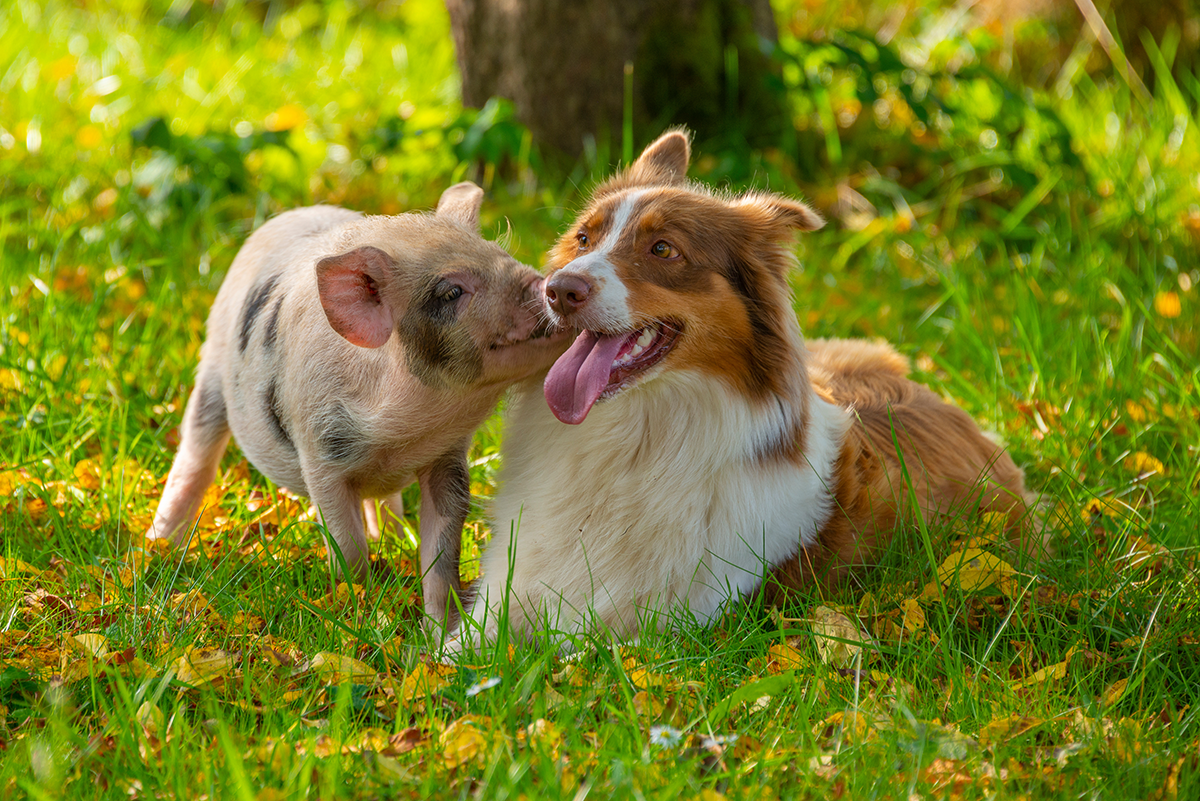
And so, we face a challenge. We often describe ourselves in Britain as a nation of animal lovers. And of course, many of us love our companion animals deeply. Those of us who have shared our lives with animals know how readily we recognise their personalities, preferences, fears, joys and capacity for affection. We might go to extraordinary lengths to protect them from suffering.
But does that same self-sacrificial love extend to other animals? It might on occasion extend to wild animals. But it rarely extends to the animals which are farmed for human consumption.
More than two centuries ago, the philosopher and social reformer Jeremy Bentham famously asked of animals: ‘The question is not, can they reason? Nor, can they talk? But, can they suffer?’
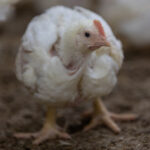
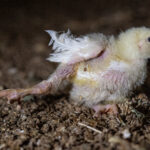
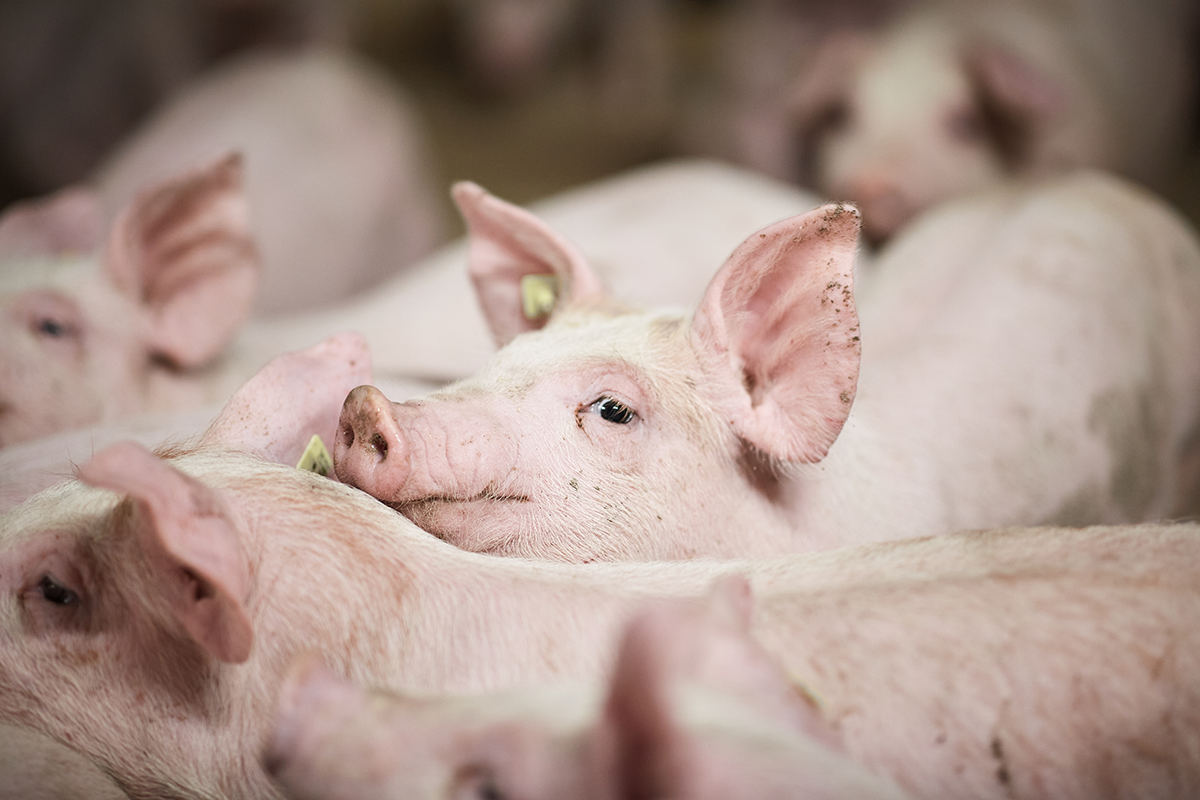
That question remains painfully relevant. Indeed more so than ever. Today, more than 80 billion land animals are slaughtered globally for meat every year, according to data from the UN Food and Agriculture Organization. This figure does not include the vast numbers of aquatic animals killed for food, nor all the animals who die within other forms of animal agriculture. Many farmed animals spend much or all of their lives in intensive systems that severely restrict their ability to express natural behaviours.
These realities are difficult to acknowledge. It is much easier when suffering occurs somewhere beyond our sight, separated from the neatly packaged food that reaches our shops, restaurants and kitchens.
But Christian compassion should help us confront these realities rather than look away. If Psalm 148 imagines animals joining us in the praise of God, we should at least be troubled by systems in which creatures experience avoidable suffering for our benefit. Too often, we have allowed narrow human interests to eclipse the flourishing of the other creatures with whom we share creation.
The voices of praise imagined by the psalmist can become, through our actions, cries of suffering.
Learning gentleness
There is, thankfully, another possibility.
In Matthew’s Gospel, Jesus invites those carrying heavy burdens to come to him and describes himself as ‘gentle and humble in heart’. These words of invitation prompt another question: if Christians are called to accept and learn from the gentleness of Christ, what might that gentleness look like in our relationship with the rest of creation? What burdens do our patterns of consumption place on other creatures?
We inherit habits and expectations around food that can seem entirely normal because they have surrounded us throughout our lives. Yet we are not powerless before them. We can question them. We can make different choices. We can consider what we eat, what our churches serve and what kinds of farming systems our money supports.
Living more lightly does not need to begin with perfection. It can begin simply by allowing ourselves to see what has previously remained hidden and asking whether our choices reflect the compassion we profess.
Brother and sister creatures
This brings us back to Francis of Assisi.
In Laudato Si’, Pope Francis describes his namesake as someone who lived in remarkable harmony with God, other people and the wider creation. For St Francis, Pope Francis writes, ‘each and every creature was a sister united to him by bonds of affection. That is why he felt called to care for all that exists’.
That language can sound a little sentimental to modern ears. But its implications are radical. To call another creature ‘brother’ or ‘sister’ is to resist seeing that creature merely in terms of usefulness. It is to recognise relationship where we might otherwise see only commodity.
Whilst St Francis lived in a very different world from ours, his vision nevertheless poses a searching question for Christians today: what happens when the creatures we use are first recognised as fellow members of God’s creation?
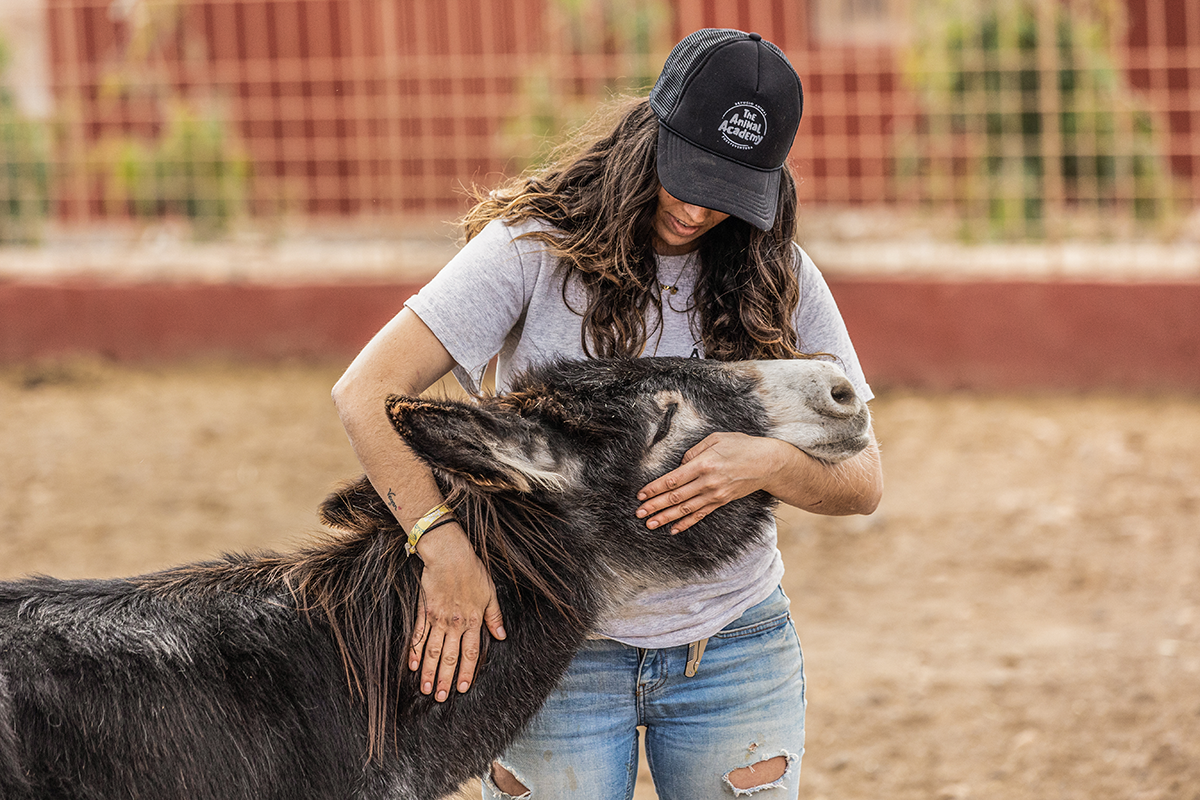
Perhaps that is where an animal blessing can become more than a lovely St Francis Day tradition. When animals enter our churches to be blessed, we are reminded that they are not possessions or accessories, but lives entrusted to our care. The challenge is to allow that recognition to travel beyond the church door.
So, as we celebrate St Francis, may we learn again to see creation as he did: not as a collection of objects placed at our disposal, but as a community of creatures bound together in dependence upon our Creator.
May we have the courage to examine the burdens our way of life places upon other animals and to seek ways of living with greater gentleness, compassion and restraint.
And may humans and our fellow creatures once again join together in the great chorus imagined by the psalmist, praising the God through whom all things have life.
This article was developed from a sermon preached by the Revd Jae Chandler at St Mary the Virgin, Henbury, for the Feast of St Francis of Assisi on 4 October 2026.