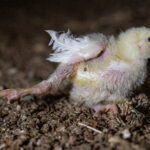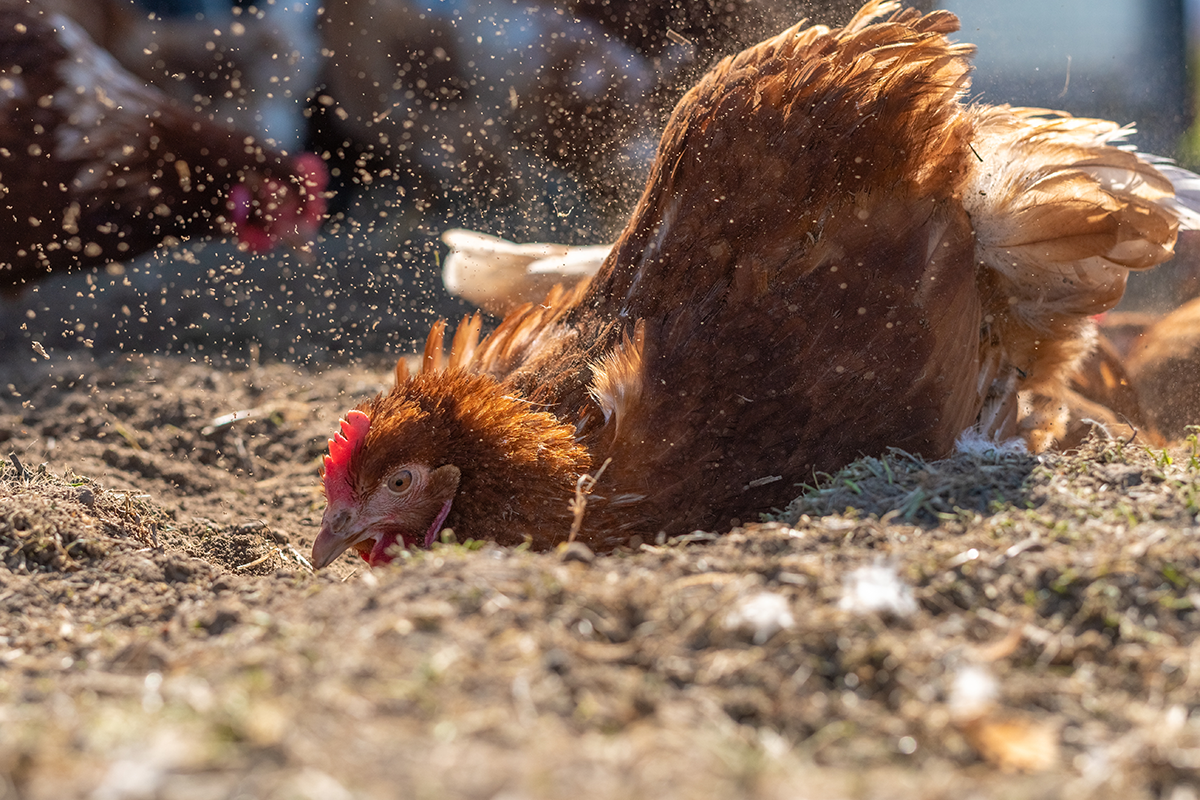
There are few sights quite as gloriously undignified as a chicken enjoying a dust bath.
She settles into a patch of dry earth, fluffs out her feathers, wriggles from side to side and kicks up a cloud of dust. Her wings stretch, her body rolls and, for a few wonderful moments, she appears entirely absorbed in the business of being a chicken.
It is an ordinary scene, easily overlooked. Yet there is something rather beautiful about it. Here is a creature enjoying one of the simple pleasures of her life, doing something that matters to her for reasons that have nothing to do with us.
When was the last time we stopped to consider whether a chicken was happy?
We tend to think about chickens in terms of their usefulness. They provide eggs and meat. We discuss how they are housed, how quickly they grow and how efficiently they can be raised. Even conversations about animal welfare often concentrate on preventing suffering rather than making room for pleasure.
But perhaps we are asking too small a question.
What if caring for animals means more than ensuring that they do not suffer? What if it also means allowing them to enjoy being the creatures they were made to be?
A chicken’s idea of a good life
Scientific research is revealing a far richer picture of chicken life than many people imagine.
Chickens are curious, socially complex animals with individual personalities and preferences. They recognise other birds, learn from one another and communicate through a variety of calls. They enjoy scratching and exploring their surroundings, searching for food, perching, dustbathing and spending time with familiar companions.
Their relationships can be surprisingly sophisticated. Research by scientists at the University of Bristol found that mother hens responded physiologically and behaviourally when their chicks experienced mild distress. Their hearts beat faster, they became more alert and they increased their vocalisations towards their young.
In other words, the life of a chicken is not simply a sequence of biological processes. It is a world of experiences, relationships, preferences and possibilities.
Animal welfare scientists increasingly recognise that a good life involves more than the absence of pain or disease. Animals also need opportunities for positive experiences and activities they are motivated to pursue.
This is sometimes described as flourishing.
For a chicken, flourishing might mean the pleasure of discovering something delicious beneath the soil, the security of resting alongside familiar companions or the freedom to choose between sunshine and shade.
There is no need to imagine chickens as miniature humans. Their lives are interesting precisely because they are different from ours. A chicken does not need to enjoy poetry, philosophy or afternoon tea to have a life filled with things that matter to her.
She has her own ways of enjoying the world.
And this raises a wonderful theological question: might God delight in those pleasures too?
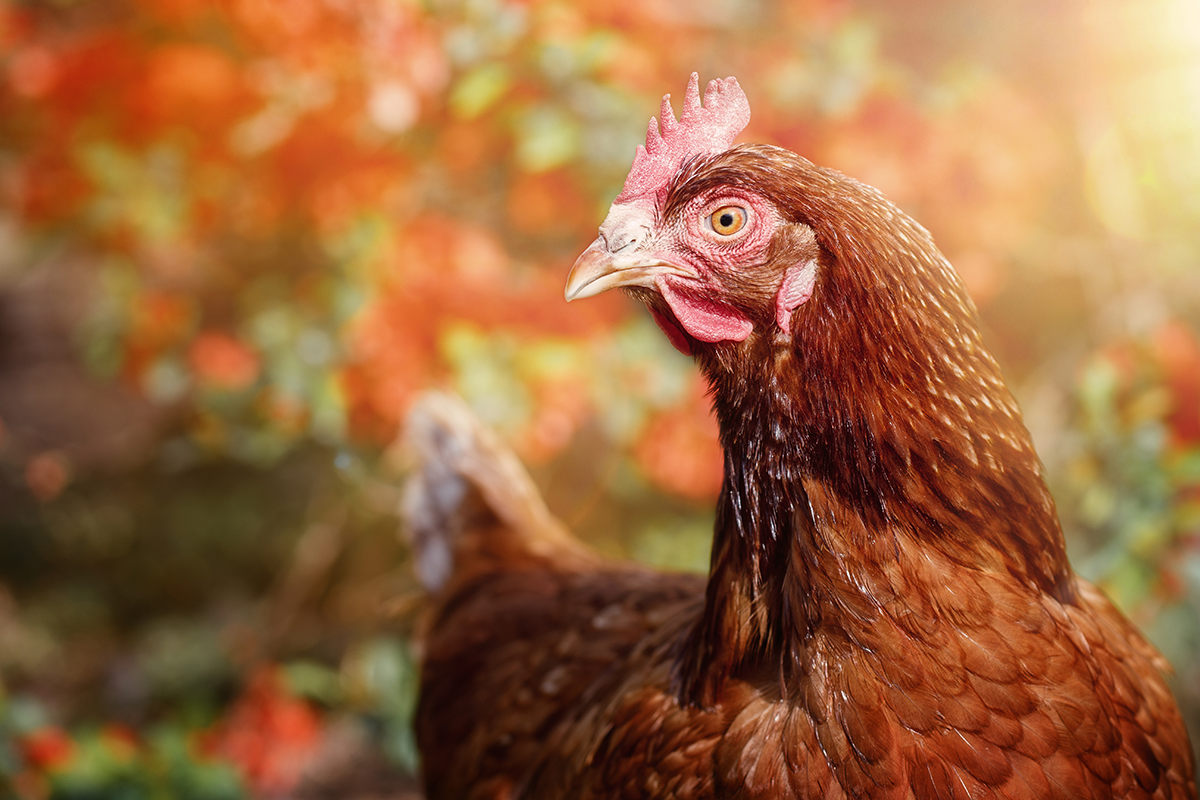
The God who delights in creation
The Bible offers a vision of creation far richer than a world designed simply to meet human needs.
Psalm 104 celebrates the extraordinary diversity of God’s creatures. Wild animals drink from streams, birds make their homes among the trees and living things fill the sea.
The psalm even describes the great sea creature Leviathan, formed by God to sport in the waters (Psalm 104:26).
It is a delightful image. Here is a creature whose activity is not described in terms of its usefulness to human beings. It simply belongs in the wonderful abundance of God’s world.
The psalmist concludes with a prayer:
‘May the Lord rejoice in his works.’ (Psalm 104:31)
That is a remarkable thought.
God is not portrayed merely as the architect of a perfectly functioning system. God delights in creation, in its variety, vitality and extraordinary forms of life.
The wild goat climbing a mountain, the bird singing among the branches and the countless creatures moving through the sea all belong to a world that gives its Creator pleasure.
Why should the chicken be any different?
Perhaps her enjoyment of a dust bath is not spiritually insignificant. Perhaps the ordinary pleasures of animal life are themselves part of the goodness of creation.
A Christian understanding of flourishing begins here: with the conviction that animals are valuable not merely because they are useful to humans, but because their lives are good in themselves and precious to their Creator.
The hen who taught us about God’s love
There is an especially beautiful connection between chickens and the teachings of Jesus.
In Luke’s Gospel, Jesus laments over Jerusalem, longing to gather its people together:
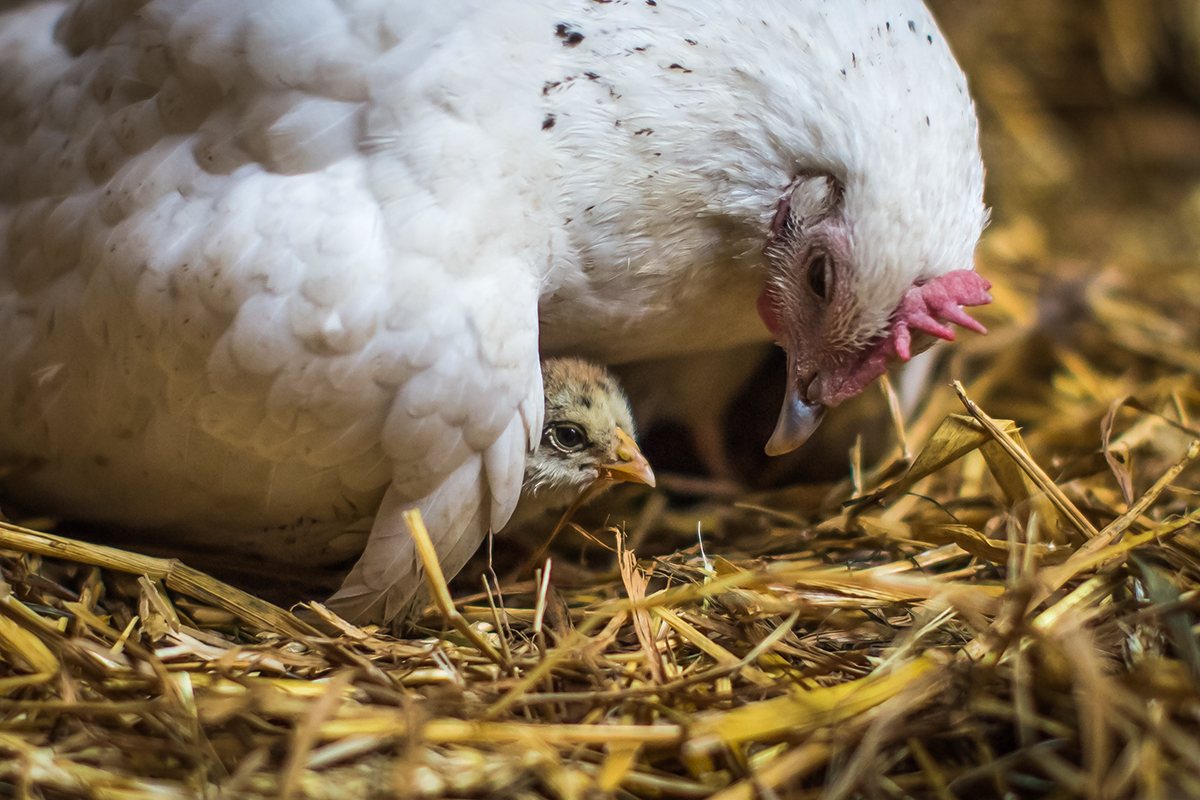
‘As a hen gathers her brood under her wings.’ (Luke 13:34)
Of all the images Jesus might have chosen to describe his protective, self-giving love, he turns to a mother hen.
It is worth considering what makes this comparison possible.
A hen cares for her chicks. She calls to them, shelters them and responds to their needs. Her body becomes a place of warmth and protection. In her attentiveness to her young, Jesus recognises something that can help human beings understand divine love.
The comparison is not accidental. It depends upon the real behaviour of a living creature.
The mother hen is not merely a convenient symbol onto which Jesus projects a theological idea. Her own life and relationships provide the image through which he communicates it.
This should give Christians reason to look at chickens with fresh appreciation.
The ordinary care of a mother bird becomes a window into the love of God.
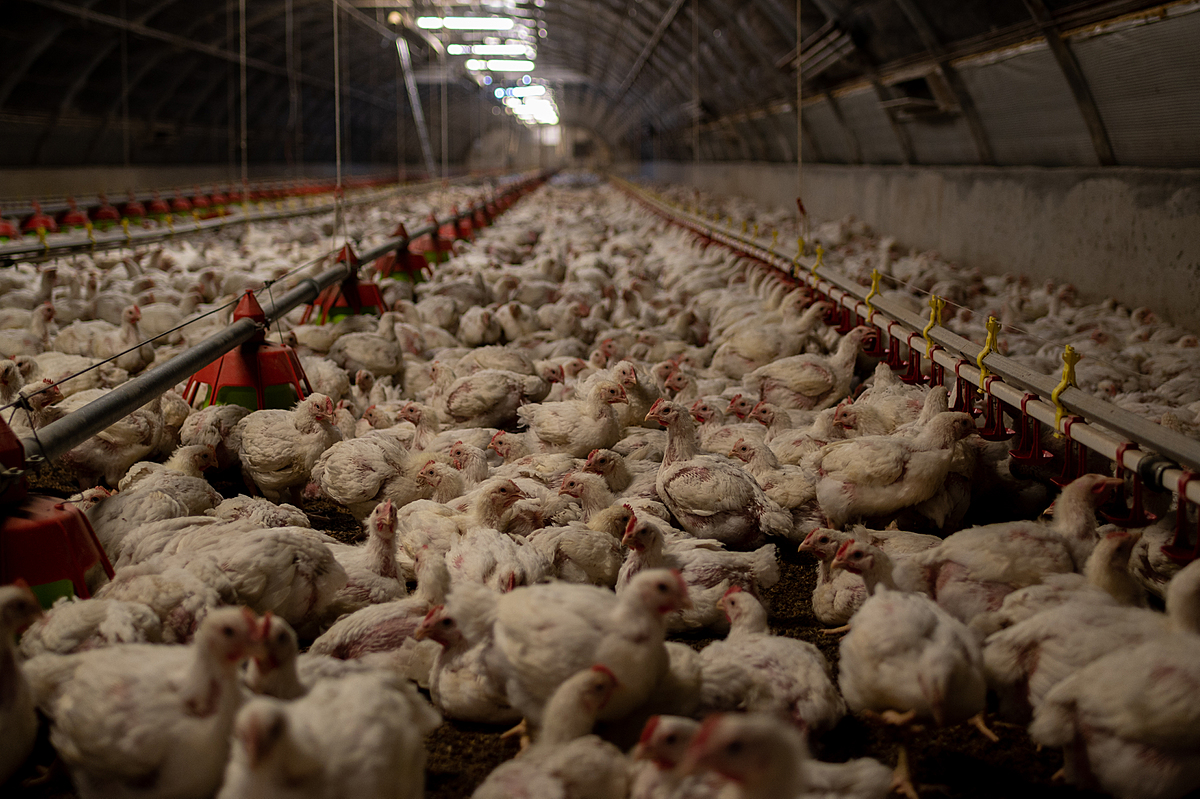
Yet there is a troubling contrast with the way chickens are commonly raised today.
In commercial poultry production, chicks are generally hatched artificially and raised without their mothers. The relationships that Jesus draws upon in his teaching are largely absent from the lives of commercially farmed chickens.
Mother hens cannot nurture their chicks. Chicks cannot seek shelter beneath their mothers’ wings or learn from their guidance.
We have organised the lives of these birds in ways that prevent them from expressing some of the very behaviours through which Jesus recognised the tenderness of divine love.
That should give us pause.
When happiness becomes inefficient
Much of modern poultry production is organised around efficiency. Chickens raised for meat have been selectively bred to grow rapidly, often reaching slaughter weight within just a few weeks.
Yet the things that make a chicken’s life enjoyable do not necessarily make her more productive.
Exploring takes time. Scratching and foraging use energy. Perching, playing, dustbathing and forming social relationships require space and opportunities that do not always fit comfortably within systems designed to maximise output.
A 2020 study published in Scientific Reports found that slower-growing chickens displayed more behaviours associated with positive welfare, including play and exploration, than conventional faster-growing birds in the commercial conditions examined.
The difference matters because animal welfare is not simply about keeping a creature alive and free from disease. It is also about what that creature is able to do with her life.
A chicken who cannot explore, seek preferred foods, enjoy social relationships or engage in other valued activities has lost something important, even if she is adequately fed and housed.
Improving farming conditions can make a real difference. But a richer understanding of flourishing also raises a further question: is it enough to give animals opportunities for a good life if we then deliberately bring that life to an early end?
The pleasure a chicken takes in living is surely part of what gives us reason to protect her continued existence.
This is not simply a question of better farming. It is an invitation to reconsider the place of animals within our moral imagination.
Learning to rejoice with God
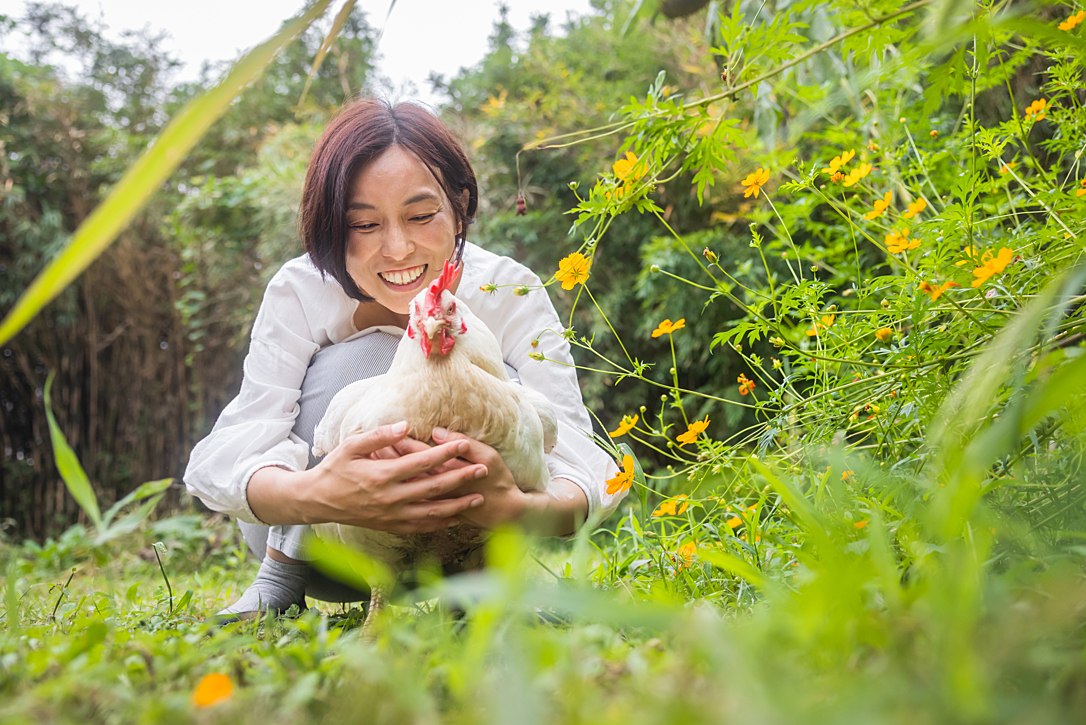
Christians often speak of caring for God’s creation, but perhaps we should speak more often of delighting in it.
To delight in another creature is to recognise that their existence is good, that their flourishing matters and that their happiness is something worth celebrating.
This need not begin with guilt or accusation. It can begin with wonder.
We might visit a sanctuary and watch chickens going about their lives. We might learn something about their intelligence, personalities and relationships. We might reconsider the food we purchase, support organisations working to protect farmed animals or encourage our churches to make compassionate food choices.
Above all, we might learn to see chickens not as anonymous units of production, but as fellow creatures whose lives are filled with possibilities.
Christian compassion should certainly make us attentive to suffering. But it should also awaken us to joy.
The joy of a bird stretching her wings.
The comfort of familiar companionship.
The tenderness of a mother gathering her chicks.
These are not grand or spectacular things. Yet they belong to the rich variety of creaturely life that Scripture invites us to recognise as good.
Perhaps one of the most important questions Christians can ask about animals is not simply whether they are suffering, but whether they have the freedom to flourish.
After all, if God delights in the creatures he has made, should we not want them to enjoy their lives too?
A chicken taking a dust bath in the afternoon sunshine is doing something wonderfully ordinary. She is living her life, enjoying the world in the particular way a chicken can.
There is joy in that. And perhaps there is something of God’s joy in it too.