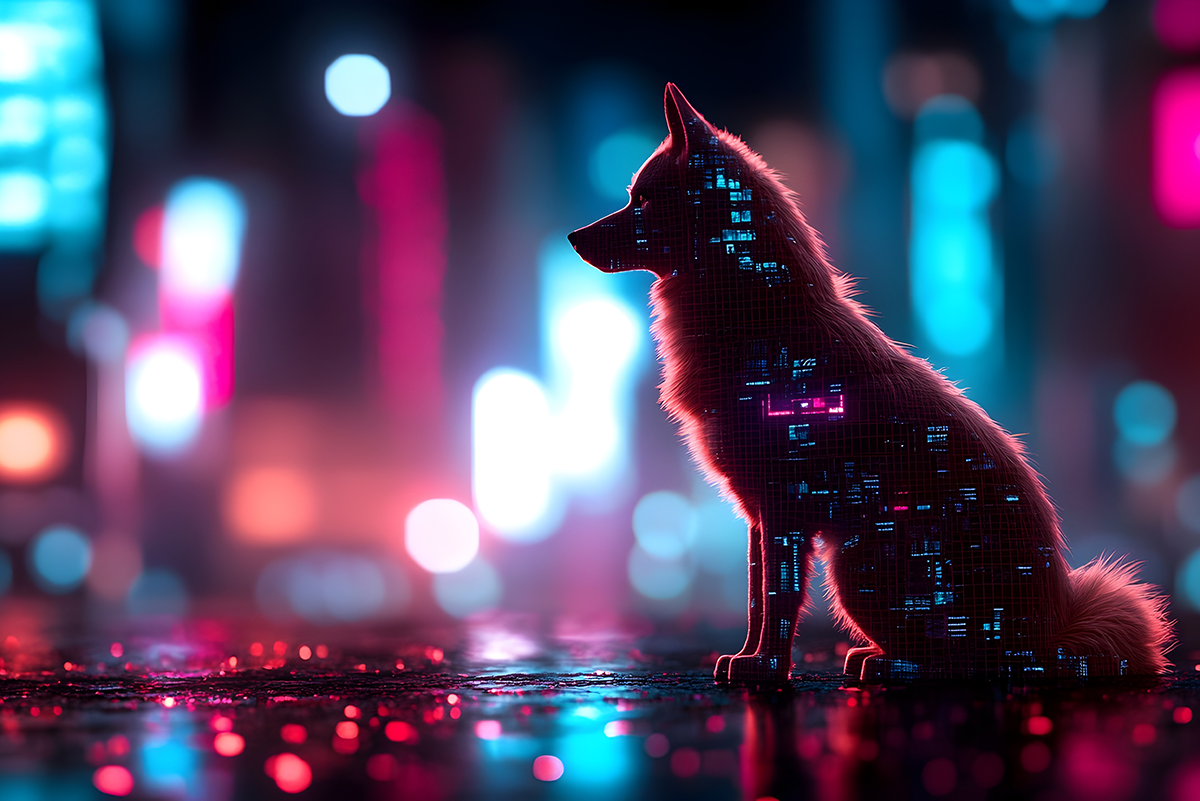
In Blade Runner 2049, there is a quiet, unsettling scene in which a replicant, an engineered being designed for labour, is told that his memories are not his own. They have been implanted. Manufactured. He is, in every meaningful sense, a product. And yet, as the film unfolds, it becomes increasingly difficult to sustain that description. He feels. He longs. He suffers. He hopes.
The world of Blade Runner 2049 is built on a contradiction: beings who are treated as things, yet cannot help but appear as lives.
A similar tension runs through Ex Machina. Ava, an artificial intelligence embodied in a humanoid form, is confined behind glass, observed, tested, evaluated. The question posed by her creator is clinical: can she convincingly simulate consciousness? But the question that emerges for the viewer is far more troubling: what kind of person can look at a being like this and see only an object?
These films are not really about the future. They are about us. They ask, with disarming clarity, what it is that allows human beings to recognise, or to refuse to recognise, life.
And that question is not abstract. It presses urgently upon us, here and now.
In both films, the moral crisis does not arise from ignorance. The characters are not unaware of what stands before them. Rather, they inhabit a framework that permits them to reinterpret what they see.
The replicants are “retired,” not killed. Ava is “tested,” not imprisoned. Language softens reality. Systems normalise it. The extraordinary becomes ordinary.
What is most disturbing is not cruelty, but familiarity. The ease with which beings are reduced to function.
It is difficult not to recognise a parallel.
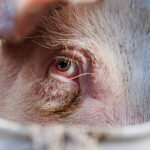
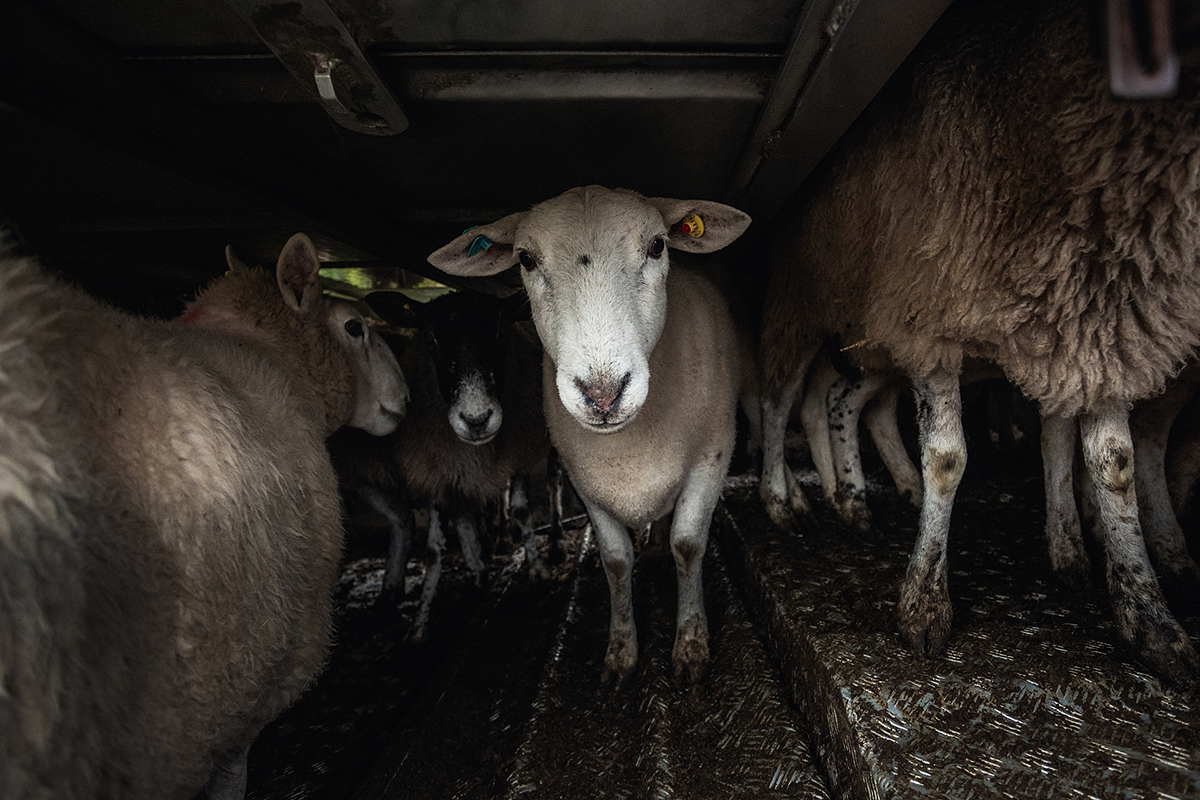
In our own world, billions of animals are bred, confined, and killed within industrial systems that depend upon a similar act of perception. Chickens become “units.” Pigs become “production.” Living beings become products.
And yet, as with the replicants, the reality does not quite cooperate. These are creatures who feel, who respond, who resist. Creatures whose lives, if we encountered them outside these systems, would be immediately recognisable as lives.
The question is not whether we know this. Increasingly, we do.
The question is how we have learned not to see it.
It is at this point that Christian theology introduces a deeper challenge. The question is not simply ethical, what should we do, but ontological: who are we?
Dr Margaret Adam, theologian, ethicist and visiting tutor at St Stephen’s House, Oxford, offers a strikingly simple answer. Christians should care about animals, she suggests, because of who and how Christians are called to be.
To be a Christian is to be incorporated into the body of Christ. This is not a metaphor for shared values, but a claim about identity. Christians are participants in a life that is not their own, a life that is oriented toward the reconciliation of all creation.
This means that Christian existence is not confined to the present order of things. We are, as Adam puts it, citizens of two worlds: the broken, finite world as it is, and the reconciled, peaceable kingdom as it will be.
The significance of this is easily missed. It means that Christians are not bound to accept the world’s categories as final. We are not limited to what is efficient, profitable, or normal. Our lives are meant to reflect, however imperfectly, the reality toward which creation is moving: a world in which all creatures flourish in the presence of God.
If this is true, then the question raised by Blade Runner 2049 and Ex Machina becomes unavoidable.
What kind of people are we becoming, if we can look at living beings and see only product?
One of the most unsettling aspects of these films is not the existence of exploitation, but the formation of those who participate in it.
In Ex Machina, Nathan, the brilliant tech CEO who creates Ava, does not think of himself as cruel. He is visionary, even playful. His treatment of Ava is, in his own mind, justified by the logic of progress. He does what he does because he can.
In Blade Runner 2049, the system is so deeply embedded that it no longer appears as a moral problem. It is simply how the world works.
This is what makes these stories so powerful. They show that the moral life is not only about decisions, but about vision. About what we have been trained to perceive.
The Christian tradition has long recognised this. To follow Christ is not merely to obey a set of commands, but to undergo a transformation of perception. To learn to see the world as it truly is: as creation, sustained by God, filled with meaning, oriented toward glory.
In this vision, creatures are not defined by their utility. They are not raw material for human purposes. They are, each in their own way, participants in the praise of God.
The psalms give voice to this reality: “wild animals and all cattle, creeping things and flying birds” are called to praise the Lord. Creation is not silent. It is a chorus.
To reduce such a world to product is not simply a moral failure. It is a failure of vision.
If Christian identity is shaped by the reality of the peaceable kingdom, then Christian action cannot be determined solely by what appears effective or necessary.
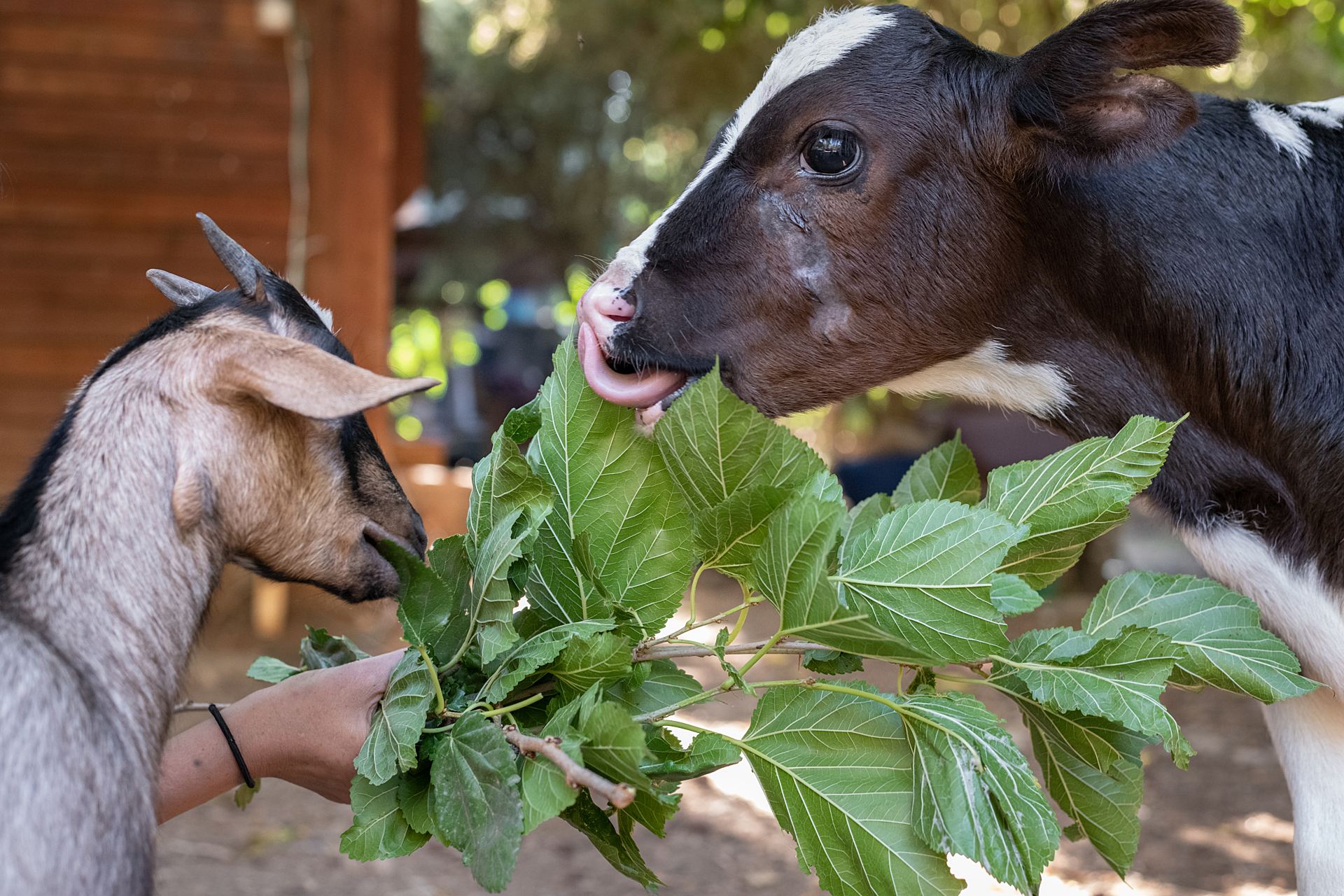
Margaret Adam makes this point with disarming clarity. Christians do not act because their actions will necessarily change the world. They act because their lives are meant to reflect the world that Christ is bringing into being. As she puts it, Christians are called to “demonstrate the radically impractical conviction that one lamb’s rescue is worth any cost.”
This has profound implications.
It means that care for animals is not first about impact. It is not a strategy for solving a problem, though it may be that as well. It is a form of witness. A way of living truthfully within a world that often prefers not to see.
To choose a different way of relating to animals, whether in what we eat, what we wear, or how we speak, is to enact, however modestly, the reality of the kingdom. It is to refuse the reduction of life to product.
In this sense, Christian concern for animals is not an optional extension of the faith. It is a natural expression of it.
For if we are members of the body of Christ, then our lives are meant to bear the shape of that body: a life given for others, a life that recognises and honours the vulnerable, a life that resists the logic of domination and death.
The worlds of Blade Runner 2049 and Ex Machina are unsettling not because they are alien, but because they are familiar. They reveal, in heightened form, tendencies that are already present among us.
They ask us to consider what happens when intelligence is severed from compassion, when power is detached from responsibility, when life is evaluated solely in terms of usefulness.
They ask, in other words, what kind of people we are.
For Christians, this question cannot be avoided. It is written into our identity.
We are those who confess that in Jesus Christ, God has entered into the life of creation, not as a distant observer, but as one who shares in its vulnerability, its suffering, its flesh. The Word became sarx, flesh, joining himself to the material life that humans share with other creatures.
If that is so, then the way we see and treat other living beings is not peripheral to our faith. It is bound up with it.
Christians should care about animals not first because animals suffer, though they do, and grievously. We should care because we are called to be the kind of people who recognise life where the world sees only product.
To fail in this is not simply to make a wrong choice. It is to become the wrong kind of people.
And so the question remains, pressing and unavoidable:
What kind of people are we, and what kind of church are we becoming?
Written by the Sarx editorial team