In The Lord of the Rings, J. R. R. Tolkien imagines a world of hobbits, wizards, forests and ancient powers. Among its most memorable creatures are the Ents: tree-like beings who act as shepherds and guardians of the forests.
The most famous of them is Treebeard. When the hobbits Merry and Pippin encounter him, they meet a being whose speech belongs to an older, slower world. His words are not efficient. They do not rush towards usefulness. They grow, like roots beneath the soil, from memory, place and long attention. To speak too quickly, in Treebeard’s world, is almost to fail to speak truthfully.
This is part of what makes the Ents so compelling. They are not voiceless, but their voices do not fit the pace of those around them. They require patience. They require humility. They require listeners willing to be slowed down.
Against Treebeard stands Saruman, a once-wise wizard who destroys forests to fuel his machinery of war. In Saruman’s world, trees are no longer living presences with histories and voices. They are fuel. Forests become resources. Creation becomes material for the furnace.
Tolkien’s contrast is not difficult to recognise. One way of living receives the world as gift, mystery and fellowship. Another way grasps, consumes and burns. One listens. The other uses.
This is a deeply Christian question, even before we name it as one. What kind of creatures are we, and what kind of world are we willing to hear?
At Pentecost, the Church celebrates the coming of the Holy Spirit with wind, flame and speech. The disciples, once fearful and enclosed, are driven into public witness. People from many nations hear the mighty works of God in their own languages. Difference is not erased. The miracle is not that everyone suddenly speaks the same language, but that people are enabled to hear across difference.
Pentecost is often remembered as a miracle of speaking. But it is also a miracle of listening.
That distinction matters. The Holy Spirit does not create communion by flattening the world into one voice. The Spirit creates understanding without destroying creaturely difference. The languages remain many, but they are no longer barriers to communion. Through the Spirit, the strange becomes intelligible, the distant becomes near and the unheard becomes capable of being received.
What might this mean for the way Christians hear the rest of creation?
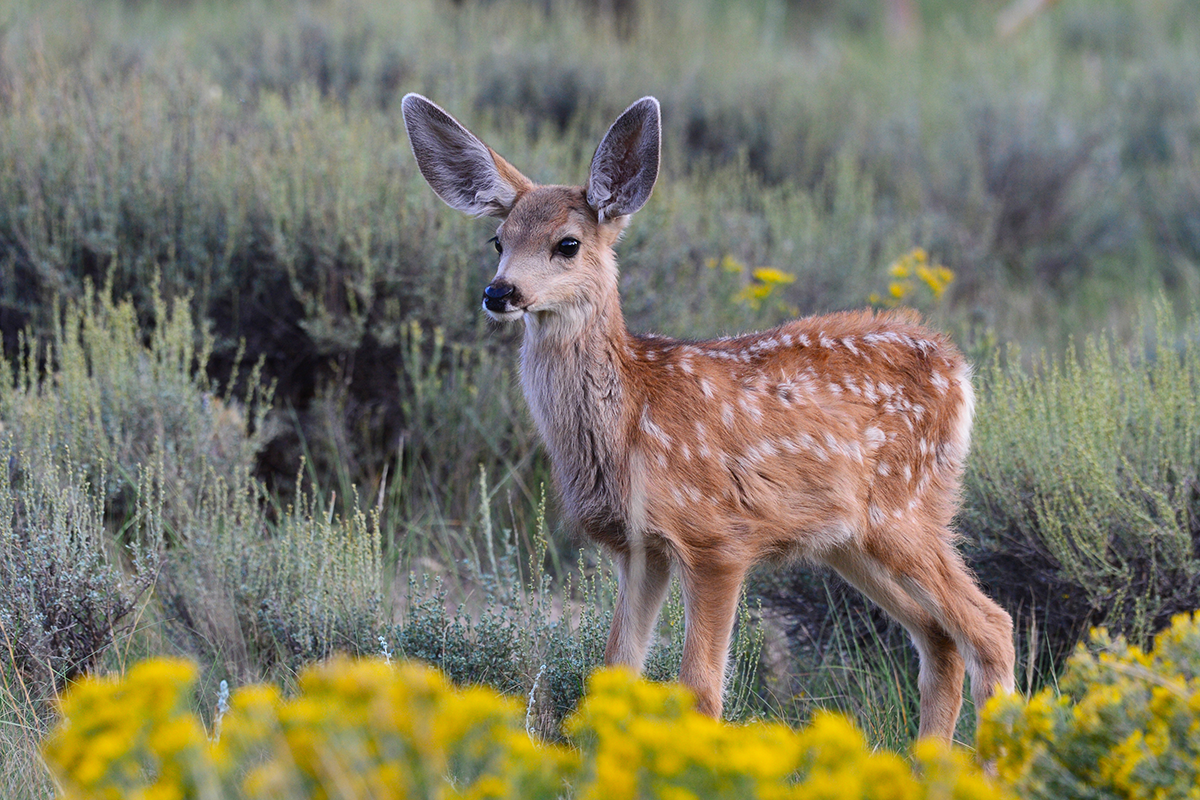
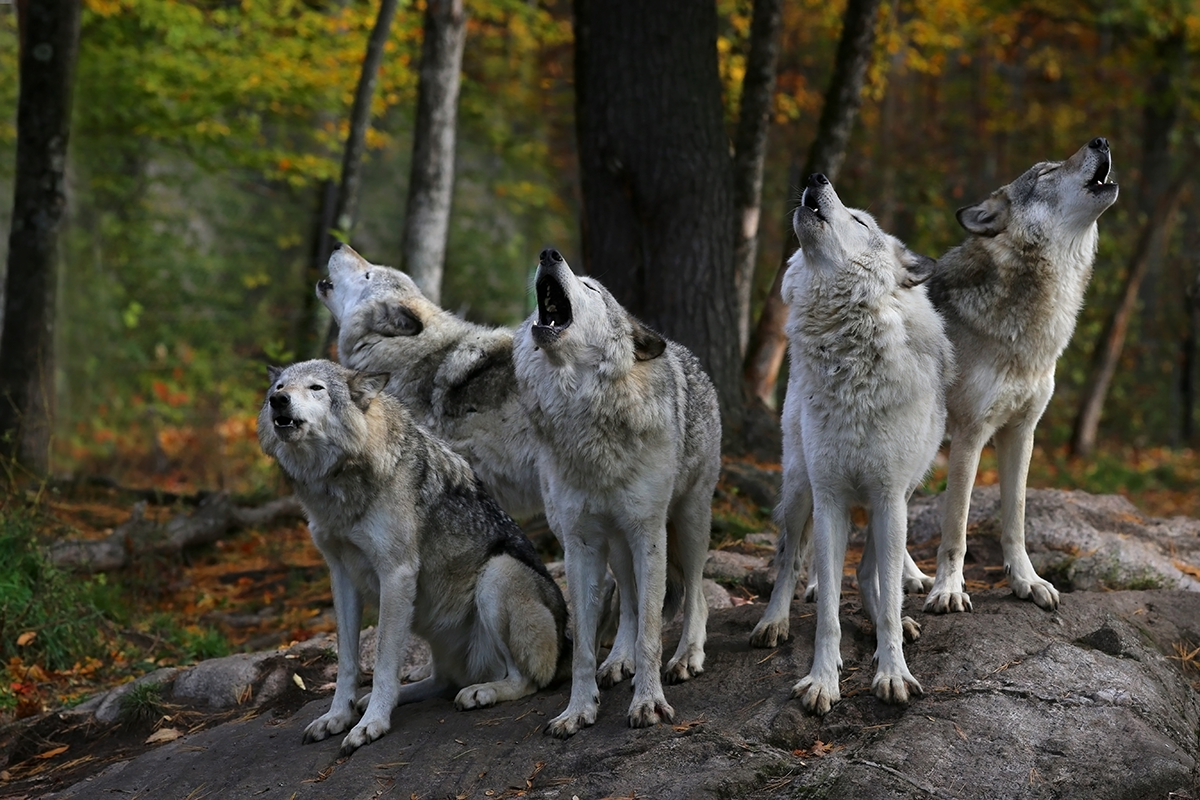
Scripture does not present creation as mute. The heavens declare the glory of God (Psalm 19:1). The trees clap their hands (Isaiah 55:12). The rivers rejoice (Psalm 98:8). The young ravens cry out and God hears them (Psalm 147:9; Job 38:41). The psalms call sea creatures, wild animals, cattle, creeping things and flying birds into the praise of the Lord (Psalm 148:7–10).
Dr Philip Sampson, author of Nonconformist Perspectives on Animals and Language, draws deeply on this neglected Christian tradition. He argues that animals are not silent before God. They ‘praise and manifest God; they cry to God, and He hears them’. Their voice is not necessarily human speech, but song: creaturely expression, embodied praise, the life of each creature offered according to its kind.
This is a profound challenge to the way modern people often think about animals. We tend to ask whether animals can speak like us, reason like us, communicate like us or qualify for moral concern by resembling us. But Christian theology need not begin with comparison to humans. It can begin with God.
If animals are creatures of God, then their lives have meaning before they are useful to us. If they praise God according to their kind, then their voices matter even when they do not speak our language. If God hears them, then our failure to hear them is not evidence of their silence. It may be evidence of our deafness.
This is where Pentecost becomes more than a festival in the Church calendar. It becomes a summons to converted hearing.
A Spirit-filled Church should be a listening Church. Not only listening to human neighbours across nation, language and culture, but listening more deeply to the whole creation that groans, praises and waits for redemption.
Animals speak in many ways. A lamb bleats from a transport lorry. A hen dustbathes when given the chance. A pig resists confinement. A cow searches for her calf. A bird sings into the morning. A dog excitedly greets a human. A fish struggles for breath.
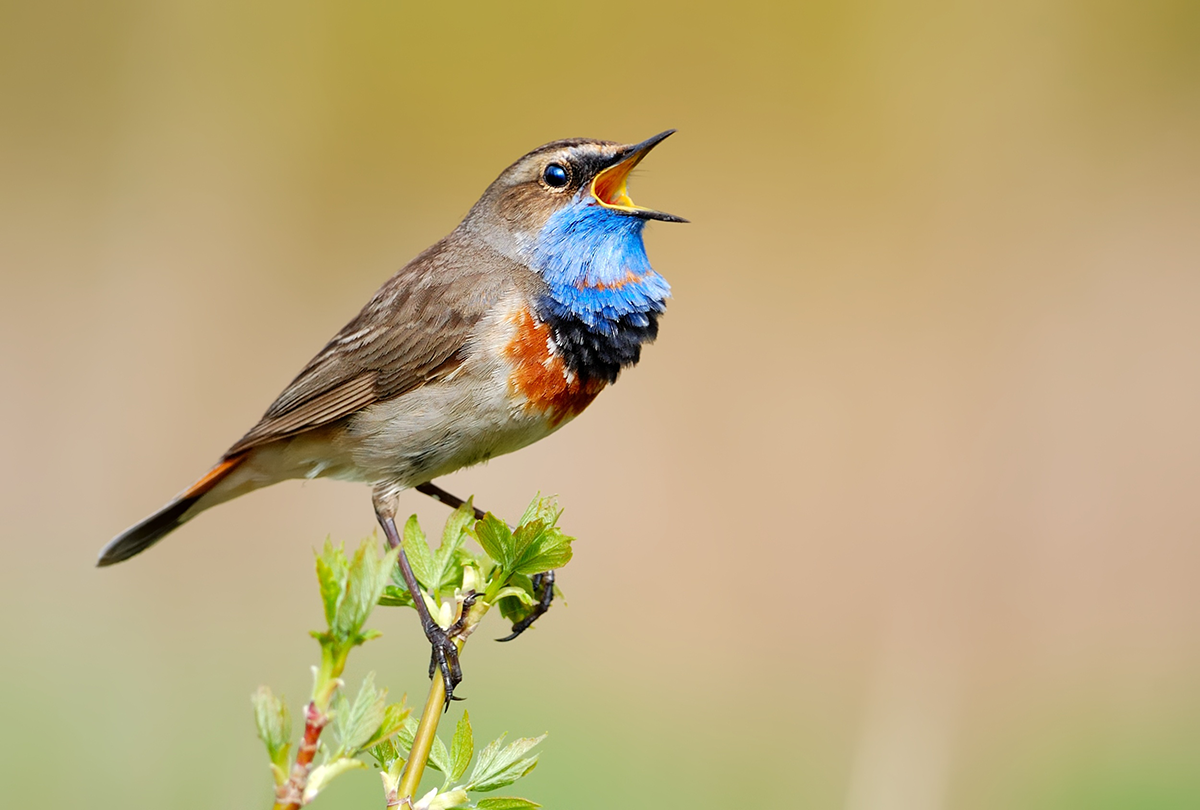
Some of these voices are songs of life. Others are cries of distress. Both matter.
Yet much of modern life is arranged so that we do not have to hear them. Industrial farming depends not only on physical confinement, but on acoustic and moral distance. The cries of animals are kept behind walls, translated into production data, softened by euphemism or drowned beneath the hum of normal life.
We call them livestock, units, yield, stock density or product. Language itself becomes a form of insulation. It protects us from hearing too much.
This is the logic Tolkien gives to Saruman. Living things are valuable only when they can be turned into power. Once creation is reduced to resource, its voices become inconvenient. A forest cannot be allowed to speak if it is needed for the furnace. An animal cannot be allowed to sing if it is needed only as meat.
But Pentecost points in another direction. The Spirit opens ears as well as mouths. The Spirit makes communion possible where fear, distance and incomprehension have reigned. The Spirit teaches the Church that what first sounds strange may still be full of truth.
To listen to animals, then, is not to indulge sentimentality. It is to recover a Christian discipline of attention. It is to confess that God’s world is more vocal than our habits allow. It is to acknowledge that creatures do not need to speak in human words in order to address us.
This listening will not leave us unchanged. Merry and Pippin do not leave Treebeard’s forest as they entered it. They have encountered a grief older than their own concerns, a patience deeper than their urgency and a form of life that judges the violence of machinery. Listening draws them into responsibility.
So too with us. To hear animals rightly is to be called into response. We may begin to question what we eat, what we buy, what we bless, what we ignore and what kind of world our habits help to sustain. We may find that the cries we once dismissed as background noise now sound like a summons.
The Christian hope is that we learn to join in with creation’s praise. Sampson describes a vision in which animals participate ‘in their own distinctive ways in a song of praise to God’ and humans are called to facilitate rather than silence that song. This gives Pentecost a wider horizon. The Spirit who gathers the nations also renews creation. The Spirit who gives speech also gives hearing. The Spirit who descends in wind and flame does not draw us away from the earth, but sends us back into it as witnesses of reconciliation.
Perhaps, then, Pentecost asks more of us than we often imagine. Not only, ‘what shall we say?’ But also, ‘whom have we failed to hear?’
The animals are not silent. The creation is not mute. The song is already sounding.
May the Spirit teach us to listen.