

In July 2026, the Church of England published Hope for All Creation, a major new teaching document on the environmental crises. In this article Sarx Founder Daryl Booth welcomes its striking theology of animals while asking whether the Church is prepared to follow that theology into the realities of intensive farming.
In The Lord of the Rings, J. R. R. Tolkien imagines a world of hobbits, wizards, forests and ancient powers. Among its most memorable creatures are the Ents: tree-like beings who act as shepherds and guardians of the forests.
The most famous of them is Treebeard. When the hobbits Merry and Pippin encounter him, they meet a being whose speech belongs to an older, slower world. His words are not efficient. They do not rush towards usefulness. They grow, like roots beneath the soil, from memory, place and long attention. To speak too quickly, in Treebeard’s world, is almost to fail to speak truthfully.
This is part of what makes the Ents so compelling. They are not voiceless, but their voices do not fit the pace of those around them. They require patience. They require humility. They require listeners willing to be slowed down.
Every November, millions of people around the world take part in World Vegan Month — a time to celebrate plant-based living and to reflect on our relationship with animals and the planet. For Christians, it offers more than a dietary challenge or lifestyle trend. It’s an opportunity to rediscover a deep current of compassion running through Scripture — a call to live in greater harmony with all God’s creatures.
In the beginning, God designed.
Not with blueprints or building codes, but with breath, beauty, and boundless compassion. Mountains were shaped, birds were feathered, whales were weighed in oceans of purpose. Every creature, from the lion to the ladybird, was part of this divine composition—made not for utility, but for joy.
Genesis tells us that God looked at all He had made and called it very good—not just the humans, but the whole interconnected tapestry of life. Trees, rivers, insects, elephants—all spoken into being by a Designer who delights in diversity and builds for relationship.
Yet somewhere along the way, we lost touch with that original vision. Our cities rose, our systems expanded, but too often they were built for humans alone. Roads cut through ancient migration paths. Buildings silenced birdsong. Farming practices inflicted suffering on the very creatures we were meant to care for.
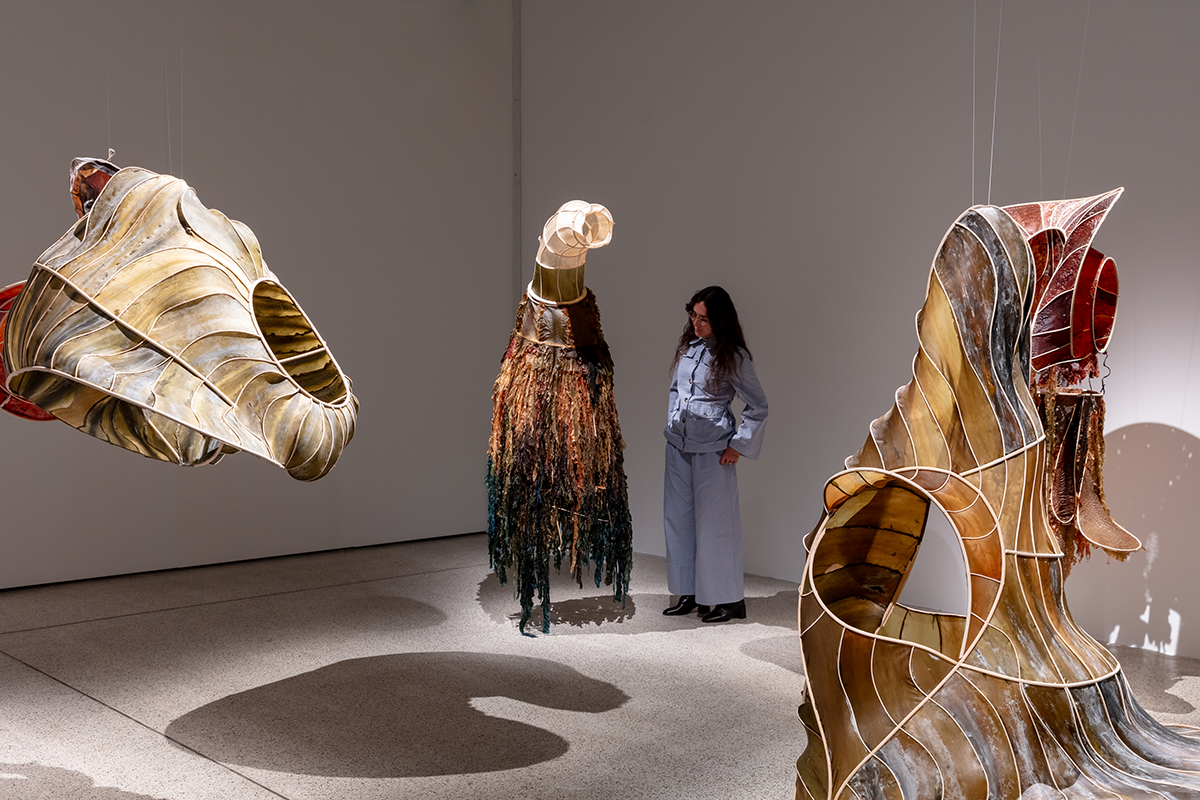
Recently, London’s Design Museum concluded an exhibition titled More Than Human. Although the exhibition has now closed, its ideas remain deeply urgent. It invited visitors to reimagine the world not as a human-only domain, but as a shared home for all living beings. It asked a bold, almost sacred question: What if we designed the world not just for us, but for all creation?
A Design Language That Includes the Voiceless
More Than Human showcased more than 140 works that looked beyond human needs to consider how animals, plants and ecosystems might flourish if they too were part of the design brief.
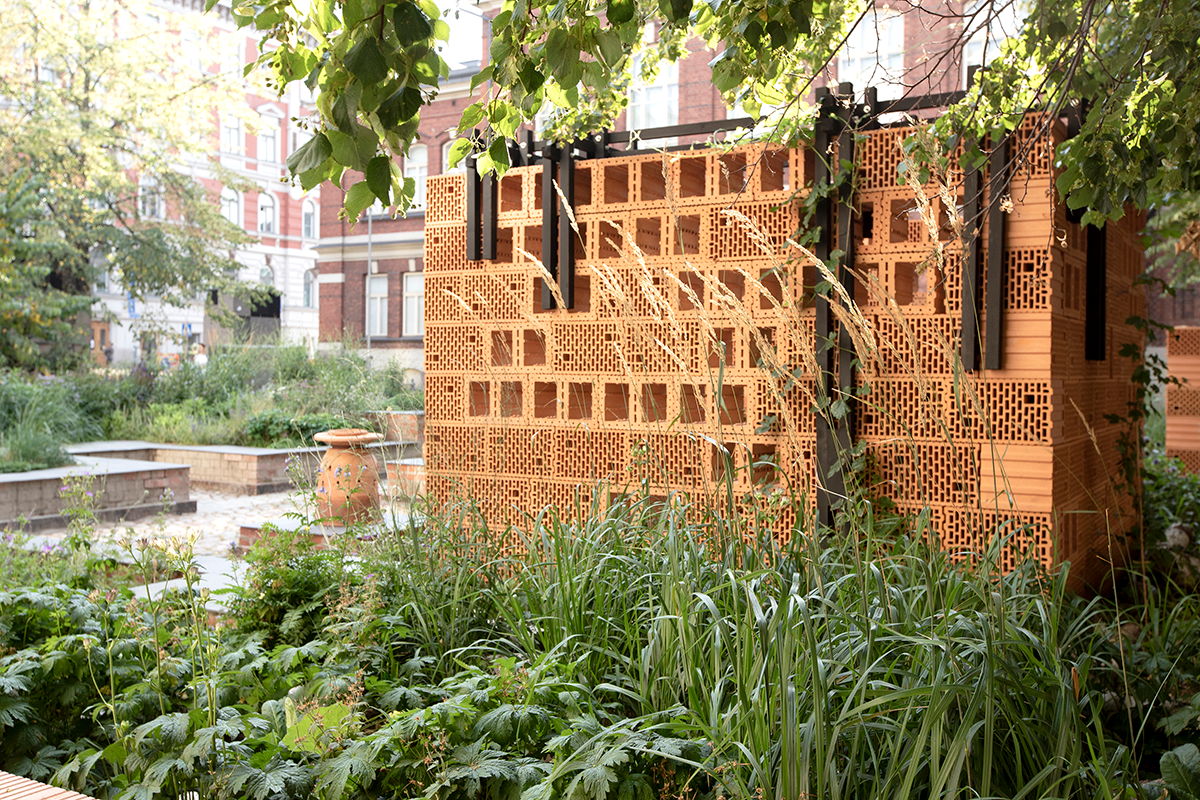
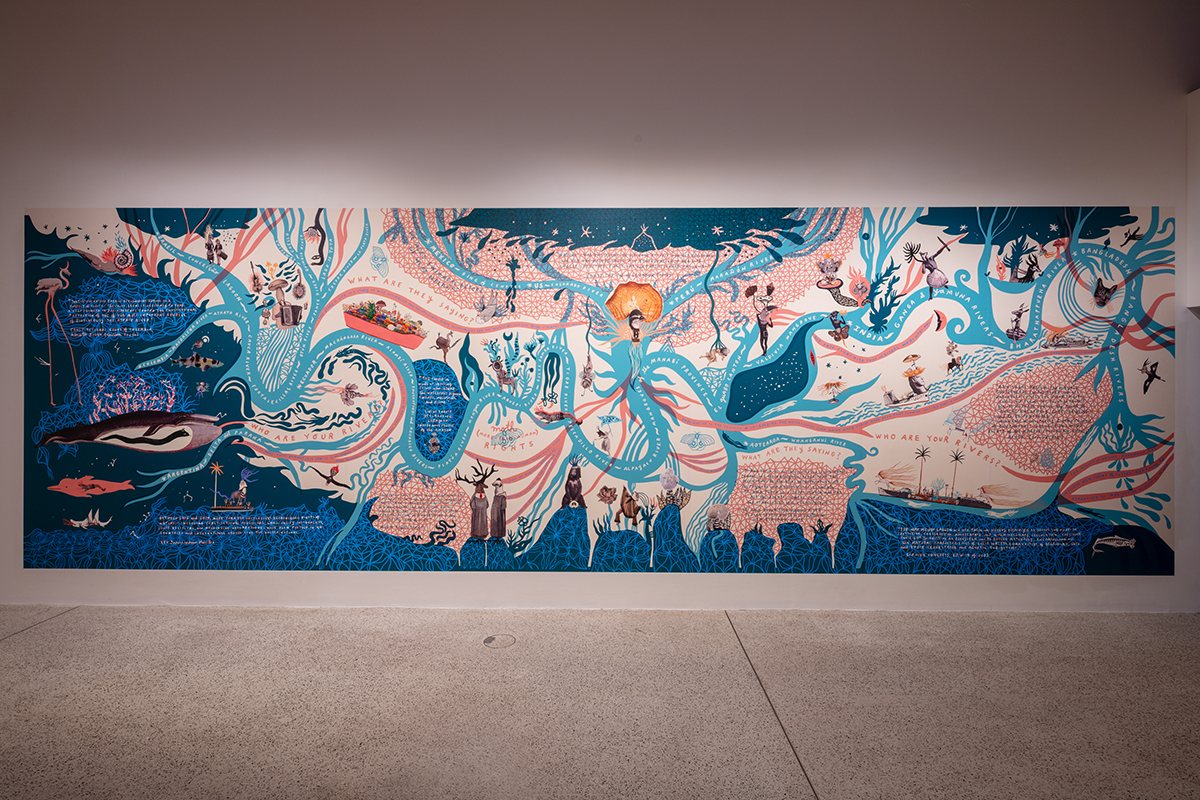
There was a tapestry recreating a meadow as seen by pollinators. Seaweed sculptures — “Kelp Council” — invited viewers to imagine interspecies collaboration. One pavilion-like structure was designed as a shared sanctuary for humans, birds and insects. Another installation used AI to interpret a river’s condition and translate it into human-readable signals, allowing the river to “speak”.
It offered a quietly revolutionary idea: design, when rooted in humility and imagination, can help repair what has been broken.
Even the Sandwiches Witness
During the exhibition’s run, the Design Museum made all its catering fully vegetarian and vegan. Not as a gimmick, but as a sincere expression of values.
“We wanted our food to reflect the heart of the exhibition,” the museum noted. “This is about our relationship with the environment and other species, and a commitment to reduce our carbon impact.”
For Christians, this resonates deeply. Food is never just food. Scripture shows meals as spiritual acts. Our dietary choices shape not just our bodies, but our witness. What we eat is part of the story we tell about who matters in God’s creation.
Peace with Creation: A Season and a Calling
This year’s Season of Creation, with its theme Peace with Creation, invited Christians to reflect on how we live, build and consume — and whether those actions bring harmony or harm.
More Than Human becomes a companion to this reflection. It doesn’t merely critique human impact on the environment. It dares to imagine an alternative. It reclaims design as a sacred act of care — echoing the Genesis vocation to “serve and protect” the garden (Genesis 2.15).
Isaiah envisioned a world where no one hurts or destroys on God’s holy mountain. Paul writes of creation groaning for liberation. Jesus assures us that not even a sparrow falls outside the Father’s care. The exhibition, though not religious, carried these resonances — a signpost, in N. T. Wright’s words, pointing toward the Kingdom.
The Gospel According to Design
We do not need to be architects to respond. All of us are designing something — habits, homes, schedules, lives. Every choice is a blueprint for the kind of world we want to inhabit.
Choosing plant-based meals. Supporting ethical fashion. Creating pollinator space in our gardens. Campaigning for laws that protect ecosystems. Teaching our children to notice and name the birds.
All of these are acts of co-creation.
God, the First Designer, invites us not to stand above creation but within it — to design with empathy and build with reverence. To eat with gratitude and restraint. To act for the voiceless and safeguard the vulnerable.
This Season of Creation, may we design lives that reflect the love of the One who crafted every wing, paw and petal. May our choices preach peace. May we help build a world where once again God might look at all He has made — and call it very good.
Dr Daniela Rizzo, Associate Lecturer in Systematic Theology at Alphacrucis University College, Sydney, explores the presence of the Spirit within the animal world in this beautifully reflective piece. Drawing on her research in animal theology and pneumatology, Dr Rizzo invites us to reimagine the creatures around us as vital participants in God’s living world, animated and sustained by the breath of God.
In this insightful interview, Fr Terry Martin, a vegan Catholic priest, discusses his latest book Animals in Heaven?. Drawing from his pastoral experience and Catholic teachings, he reflects on the spiritual significance of animals, their place in creation, and how Christians can integrate compassion for animals into their faith practices. Fr Terry shares personal stories and theological insights, inviting readers to reconsider their relationship with God’s creatures.
Vegan clergy members from across the UK explore Christian perspectives on vegan and animal issues in this unique six-part video series.
The priests consider faith-based reasons for caring about animals and address pressing concerns surrounding animal cruelty in the meat and dairy industries, the environmental crisis, human food security and much more.
They also reflect upon the highs and lows of being a Christian vegan in ordained ministry and share stories from their personal journeys.
Dr Lisa Kemmerer scholar, animal activist and founder of the educational and vegan organisation, Tapestry, explores Christian perceptions of animals and offers advice for those considering veganism.
Fr Donatello Iocco, priest at St. Ambrose Church, Toronto, reflects upon his shock at discovering the truth behind the meat industry and how his subsequent decision to go vegan brought about a sense of spiritual freedom.
The Revd Janey Hiller explores how Advert presents an opportunity to reconsider our relationship to animals and God’s true intentions for all His creatures.
Newer Posts